Our Sustainability Approach
Helping Communities Thrive
Our Approach
GRI 2018:303-3
Manila Water’s approach to building thriving communities centers on providing reliable access to safe water and sanitation services while prioritizing environmental sustainability and community engagement.
Key practices demonstrating this include expanding access to water and wastewater services through infrastructure investment and targeted programs, achieved in close partnership with our supply chain. We ensure water quality and affordability through rigorous monitoring and lifeline rates, while promoting environmental stewardship via educational programs like Lakbayan and wastewater reuse initiatives. Community resilience is strengthened through a robust disaster preparedness system and relief efforts. Customer- centricity is prioritized through convenient digital tools and proactive communication channels. Finally, long-term water security is addressed through non-revenue water reduction, new source exploration, and wastewater reuse strategies.
Water security
| ESG Target to 2025 | 2022 | 2023 | 2024 |
|---|---|---|---|
| At least 15% Raw Water Supply Buffer | 28% | 24% | 23% |
Manila Water recognizes the escalating challenges posed by growing water demand, expanding populations, climate change, and natural disasters. To address these issues, we have developed our water security plans spanning short, medium, and long-term horizons across all our business units. These plans encompass strategies such as developing new water sources, reducing non-revenue water (NRW), and improving our water distribution networks. In 2024, our efforts resulted in securing a 23% raw water buffer, enabling us to reliably meet our service obligations to our customers and regulators.
Water source development
GRI 2016: 203-1 | SASB IF-WU-240a.4, IF-WU-440a.3
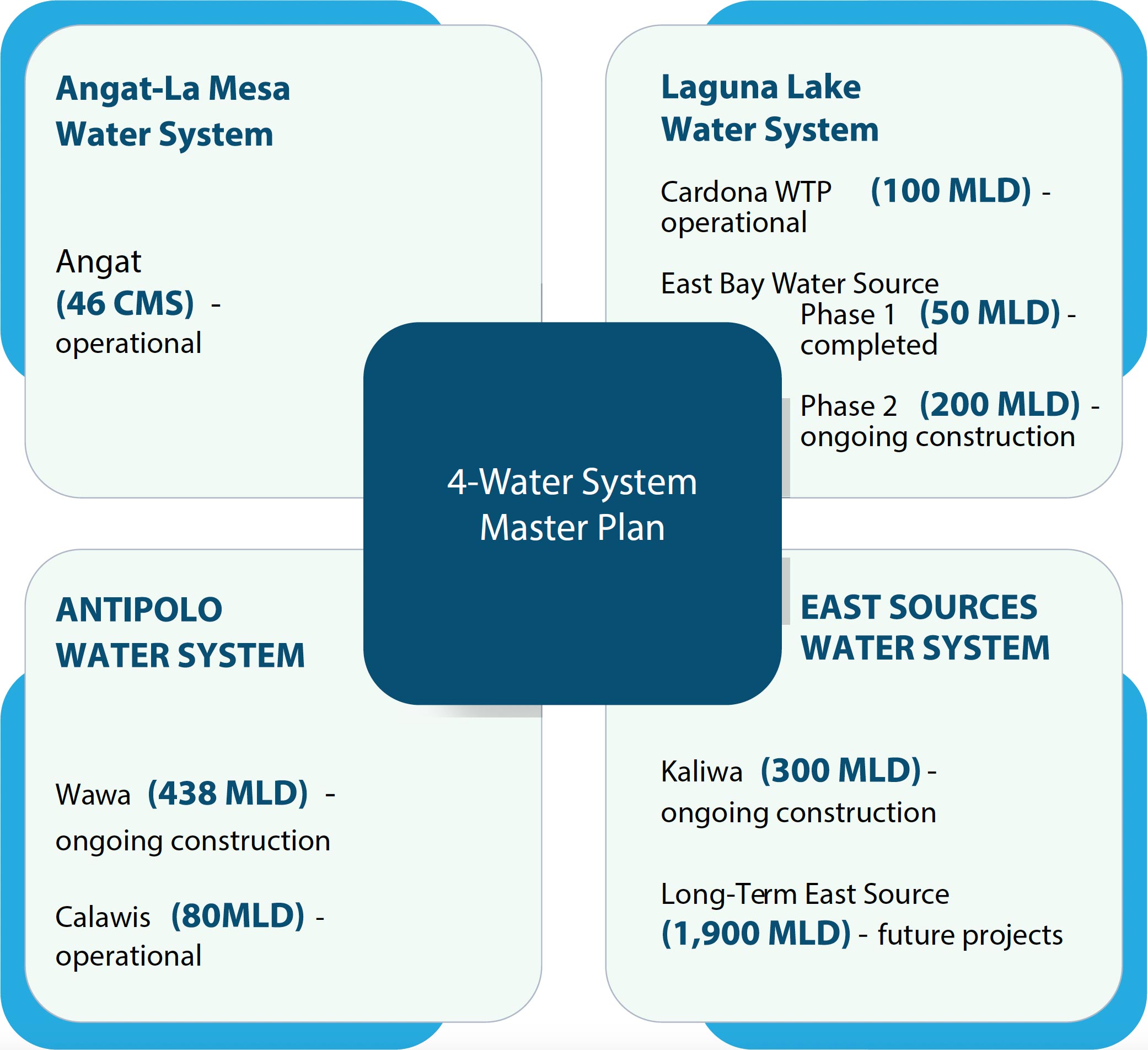
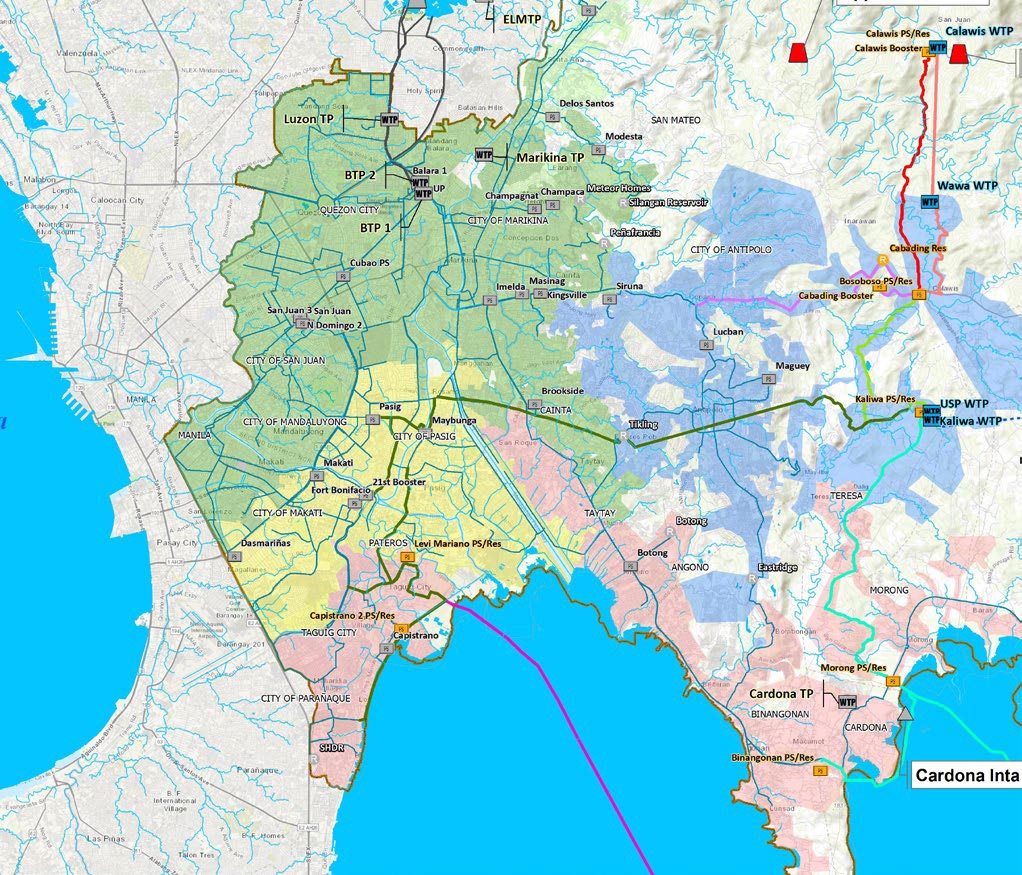
For East Zone concession, where water demand projections are rising, our regulator approved the Four Water System Masterplan, encompassing Angat-La Mesa, Antipolo, Laguna Lake, and East Sources Water Systems
We are committed to securing a sustainable water future for our growing customer base amidst escalating water demand, population growth, and the increasing threats posed by climate change and natural calamities. This commitment is realized through a comprehensive and collaborative service improvement plan focused on water security. Anchored in a regulator-approved 4-Water System Masterplan, encompassing the Angat-La Mesa, Antipolo, Laguna Lake, and East Sources Water Systems, we are working closely with government agencies and stakeholders to develop new and existing water sources, ensuring we meet our service obligations and build long-term resilience.
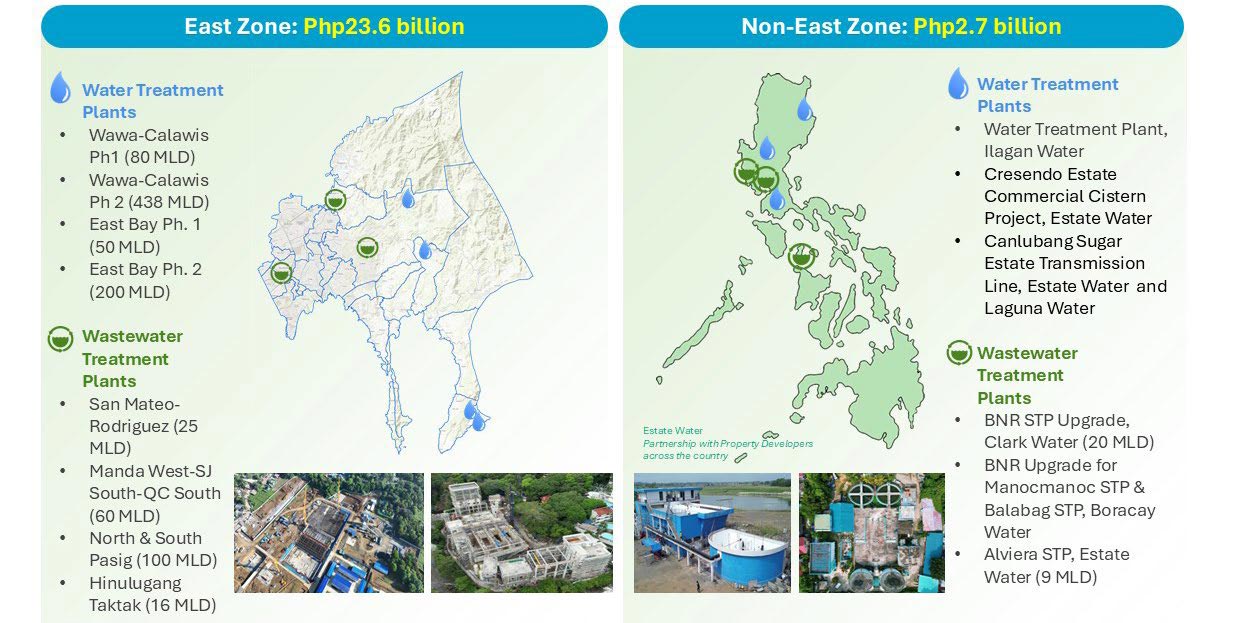
environmental sustainability and service enhancement.
Building on this foundation, 2024 saw the implementation of measures to augment existing supplies and secure alternative water sources. Drawing water from Laguna Lake, the Cardona Treatment Plant is now capable of producing up to 110 MLD and is actively serving several towns in Rizal. Similarly, East Bay Phase 1 is harvesting raw water from the lake, contributing an additional 50 MLD. At the Tayabasan River in Antipolo City, the Calawis Water Treatment Plant is effectively treating river water and can produce up to 80 MLD.
To further diversify our water sources, we have established vital alternative options. The Marikina Portable Treatment Plant, drawing water from the Marikina River, can produce up to 20 MLD when needed. Strategically located deep wells across our concession area can add up to 110 MLD. Furthermore, we have enhanced the efficiency of our backwash recovery systems at the East La Mesa and Balara Treatment Plants, increasing production from 30 MLD to 40 MLD. A third backwash recovery system is currently under construction at the Cardona Treatment Plant, further optimizing our resource utilization. This commitment to water source development extends across our subsidiaries. Capital expenditure allocations are strategically directed towards developing new infrastructure that reinforces water security, service quality, service accessibility, continuity, and regulatory compliance. Clark Water will continue its source development programs to increase the current supply by 22% and is also set to explore sustainable water sources and water reuse. Boracay Water consistently monitors the surface water levels in the Nabaoy River to assess and respond to changes in water availability. Calbayog Water recently inaugurated three critical infrastructure projects: the Pagbalican Pump Station and 1,500 cubic meter Reservoir Rehabilitation Project, the San Policarpo Booster Pump Station, and the San Policarpo- Pagbalican Transmission Line Project. These projects are expected to deliver sustained water volume and pressure to 5,025 households, significantly enhancing service delivery in the region.
Non-revenue water reduction
GRI 2018: 303-3
Part of our water security plans is resource efficiency, with our NRW reduction program as a core strategy. NRW, encompassing water lost through leaks, pilferage, and other unbilled uses, directly impacts our ability to meet service obligation. To reduce the volume of water loss before reaching our customers, we implemented the NRW reduction program across all our concessions. This program involves leak detection and repair, pipe replacement, and meter inspection and calibration. To minimize disruption and inconvenience to our customers, we typically conduct preventive maintenance activities and emergency repairs at nighttime. We also prioritize quickly resolving incidents by coordinating closely with stakeholders such as third-party contractors, national government agencies, local government units, and other entities.
Through these efforts, we have achieved significant results. By year-end, our enterprise NRW reached 14.6%, a substantial improvement compared to the World Bank’s 25% standard and a significant reduction from the 63% recorded at the start of our East Zone concession in 1997. This achievement underscores our commitment to minimizing water loss and maximizing resource utilization. Furthermore, a 1% reduction in NRW translates to serving an additional 80,000 customers, highlighting the tangible impact of our program on expanding service reach.
Water network improvement
GRI:2018 203-1 | SASB IF-WU-140a.1
Continuous improvement and expansion of our water distribution network forms our water security strategy. This involves rehabilitating, replacing, and extending our waterlines to ensure a reliable 24/7 water supply for our growing customer base. Our distribution management practices include regular preventive maintenance, rigorous crackdowns on illegal connections and meter tampering, and swift repairs of breakages to minimize disruptions.
A significant project exemplifying our commitment to water network improvement is the NBAQ4 aqueduct. This initiative, undertaken in coordination with the Metropolitan Waterworks and Sewerage System (MWSS), is a key part of our improvement and expansion efforts in the East Zone. The new aqueduct, capable of conveying up to 1,000 million liters of water per day (MLD), is paving the way for the inspection, assessment, and subsequent rehabilitation of three existing aqueducts, some of which have been operational since 1929. These rehabilitations will ensure the continuous water supply for more than 7 million customers in the East Zone.
As of December 2024, we have laid and maintained approximately 8,229 kilometers of water pipelines across our Philippine operations. This represents a 229% increase from the 2,497 kilometers inherited in the East Zone in 1997. This expansion improves the reliability of our 24/7 water supply for customers. Looking ahead, we are committed to implementing service accessibility and continuity programs, prioritizing the extension of our network to reach currently unserved areas and further strengthening water security for all.
8,229.48 kms water lines1
a s o f 2 0 2 4
1 Includes primary and network line
Climate resilience
Business continuity strategy
GRI:2018 413-1 | SASB IF-WU-440a.3
Manila Water recognizes the escalating threat to its services from natural calamities, intensified by climate change. With this, our approach to climate resilience is anchored on our business continuity strategy. This prioritizes the safety and well-being of our employees, who are essential to maintaining operations during emergencies, while strengthening our organization’s resilience against emerging threats. Our approach begins with a comprehensive hazard identification and risk assessment process, evaluating each of Manila Water’s operational processes. This analysis allows us to prioritize and focus on the most critical threats to service delivery.
Our primary goal is the swift restoration of water and wastewater services following any disruption. This customer- and system-focused approach recognizes the interconnectedness of our operations and prioritizes the most crucial elements for effective and rapid recovery. Beyond simply reacting to events, we actively anticipate potential disruptions and incorporate proactive measures to mitigate their impact. Specifically, our business continuity is designed to:
- Provide clear guidance on maintaining, responding to, and restoring critical business functions to meet Recovery Time Objectives (RTO) and recovery strategies.
- Ensure the continuity and recovery of essential services during disruptions.
- Identify potential risks and implement appropriate control measures across all operations.
- Document the effectiveness of control measures and regularly update policies and procedures.
Incident management protocol
Company
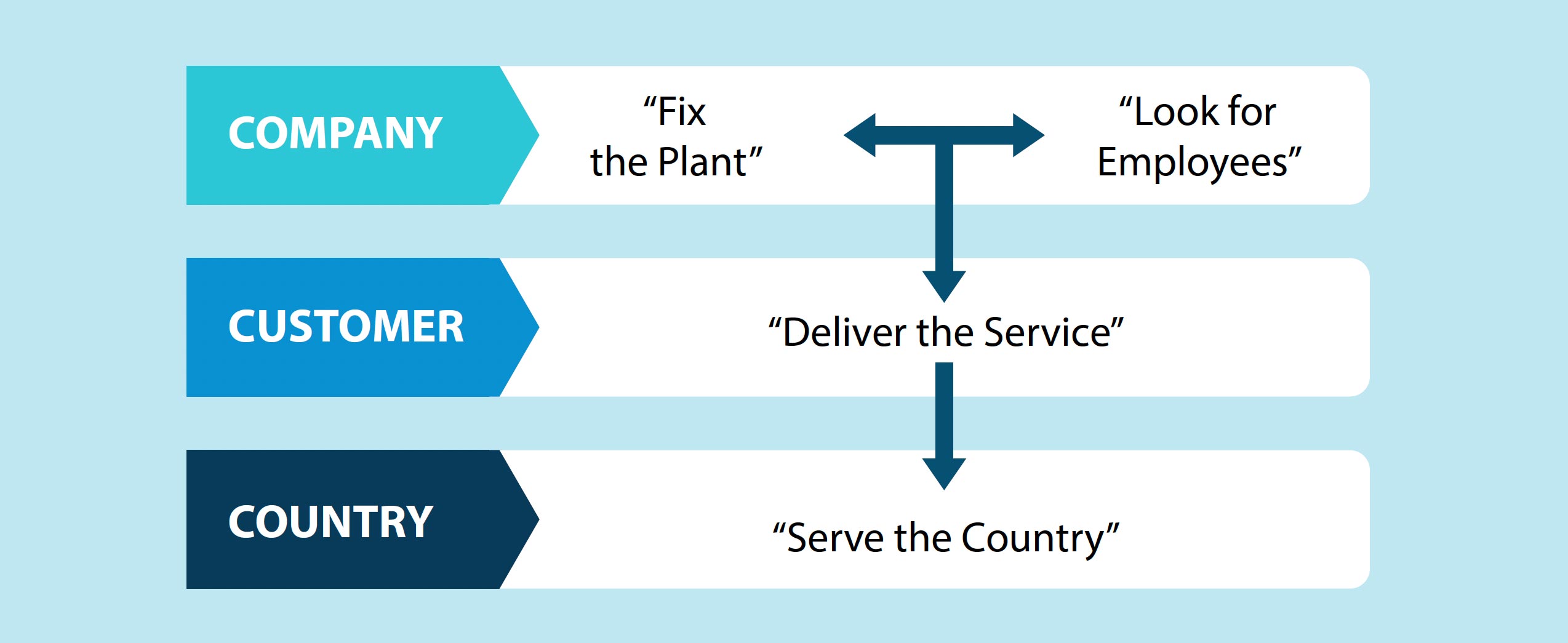
Manila Water’s incident management protocol is guided by the “3Cs in Disaster Response”: Company, Customer, and Country. Employees, as our first line of defense, report their status to line managers during calamities, enabling centralized assessment and rapid deployment of rescue units in coordination with local government and partners. To maintain a state of readiness, annual company-wide drills simulate disaster scenarios, activating the incident management system and evaluating earthquake protocols and business continuity plans. These drills familiarize employees with their potential roles and responsibilities, facilitating swift service
This focus on preparedness extends to all environmental challenges. In 2024, when the Philippines experienced extreme heat, we implemented mandatory measures to protect both employees and contractors from heat-related illnesses. At our project sites, temporary facilities with shaded and well-ventilated resting areas, equipped with hydration stations and first aid services, were established. Safety officers were deployed to actively monitor workers’ health, particularly during peak temperature hours. For heat-intensive tasks, we implemented rotating shifts among smaller teams and provided tents to limit prolonged exposure to the heat. Modified work schedules, including extended lunch breaks and work during cooler parts of the day, were adopted at some project sites. Across all service areas, employees were advised to avoid strenuous activities and fieldwork during peak temperature hours.
Customer
Prioritizing the safety and well-being of our employees and contractors enables us to better serve our customers, especially during challenging times. Our strategy for ensuring uninterrupted service rests on three pillars: ensuring asset resiliency, implementing operational controls and redundant systems, and developing innovations.
We continually enhance the flood resilience of our facilities, particularly those located near rivers and in flood-prone areas. These upgrades are essential to maintaining uninterrupted operations, even during severe weather events. An example of this is the rehabilitation of the La Mesa Dam. Upgrades to its spillway, retaining wall, and instrumentation have strengthened the dam’s structure, mitigated flood risks, and improved monitoring capabilities, including turbidity detection. We have also implemented floodproofing measures, such as constructing additional storm drains at facilities in low- lying areas.
To guarantee continuous facility operations during emergencies, we have established several protocols including configuring bypass systems, conducting regular asset integrity audits and inspections, automating critical processes, and establishing underground emergency reservoirs. We also deploy standby and mobile generator sets and utilize water tankering to maintain service during disruptions. Our water treatment plants are equipped with generator sets, sandbags, and dewatering pumps to mitigate the impacts of strong typhoons and flooding.
Country
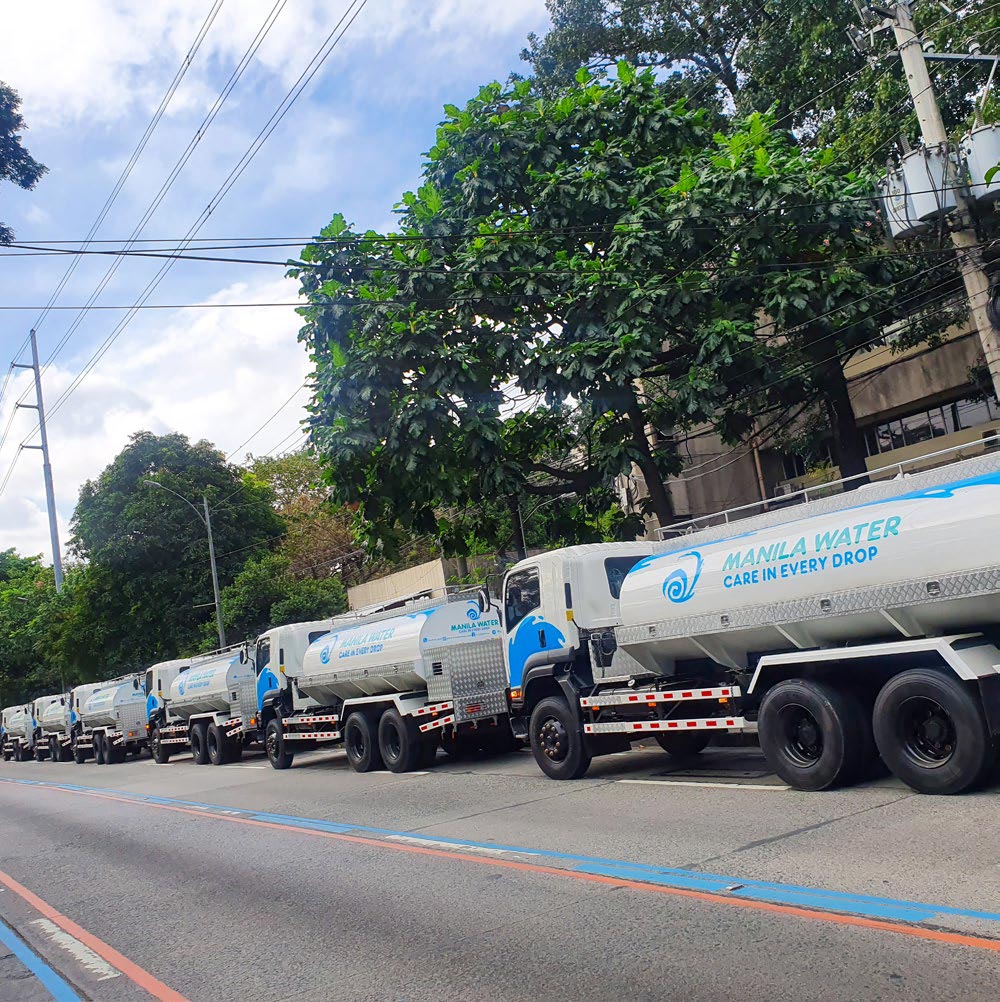
Beyond our operational response, Manila Water, through its social development arm, the Manila Water Foundation (MWF), extends aid to affected communities. MWF’s Agapay: WASH in Emergencies program provides drinking water and deploys water tankers or mobile treatment plants to disaster-stricken areas. In 2024, the Agapay program provided 5-gallon water and hygiene products to 14,140 families.
Our efforts are further strengthened by the Manila Water 503rd Water Service Battalion, a reserve unit of the Armed Forces of the Philippines. Specializing in water treatment, distribution, and sewage management, the battalion also supports urban search and rescue, disaster relief, and civil-military operations. This unit has been deployed multiple times beyond the East Zone, including during typhoons Kristine and Carina. The 503rd Battalion provided support through stakeholder management, manpower augmentation, equipment deployment, and relief distribution.
To enhance our response capabilities, we have commissioned a diverse emergency fleet, including four mobile treatment plants, a mobile stage, a mobile command center, a mobile toilet, a mobile sleeping quarter, an amphibious vehicle, a tractor head, six 4x4 rescue vehicles, an ambulance, an all- terrain vehicle, a jet ski, three speed boats, and five folding boats.
Our experience with COVID-19 taught us the importance of continuous innovation to be better prepared for future pandemics. Innovation is a key component of our business
continuity strategy, driving us to explore new ways to ensure uninterrupted service. In response, we piloted wastewater- based epidemiology (WBE) for COVID-19 surveillance in Metro Manila, leading to the establishment of our first molecular laboratory at the Ilugin Sewage Treatment Plant (STP).
This facility, equipped with polymerase chain reaction (PCR) machines, enables us to detect and quantify emerging contaminants, including the SARS-CoV-2 virus, in wastewater. Supported by a grant from the Government of Austria to Asian Development Bank under the Accelerating Sanitation for All in Asia and the Pacific project, this initiative has significantly enhanced our capability to perform environmental surveillance and strengthen public health measures.

Water and wastewater services
Water Access
| Water Access and Quality | 2022 | 2023 | 2024 |
|---|---|---|---|
| Compliance with water quality standards | 99.9% | 99.9% | 99.6% |
| Population served with water, count | 9,048,899 | 9,332,863 | 9,327,986 |
| Water service connections, count | 1,293,446 | 1,321,714 | 1,324,737 |
| Potable water delivered, mcm | 1,254 | 1,267 | 1,287 |
| Incidents of drinking water violations, count | 0 | 0 | 0 |
Manila Water provides water that is compliant with water quality standards established by government and regulators in countries where we operate, safeguarding the health of over 12.7 million people. Importantly, there were no incidents of water quality violations issued by government in 2024. While we faced challenges in 2024, specifically with select water quality parameters, our overall performance demonstrates our ongoing commitment to meeting these standards. This is achieved through rigorous testing at various sample points within our treatment facilities and community tapping points. Our water quality is stringently monitored, and water samples are tested in our Department of Environment and Natural Resources-recognized and ISO 17025 accredited laboratories.
To address the identified water quality issues, we are implementing corrective actions. These include targeted decommissioning of affected wells where necessary. Furthermore, we are implementing a Water Safety Plan, which aims to: (1) minimize source water contamination; (2) ensure safe water quality from treatment, storage, and distribution; (3) identify potential risks and implement appropriate control measures across all operations; (4) implement and document the effectiveness of identified control measures; and (5) provide and update relevant policies and procedures.
While maintaining high service quality, our rates are regulated and approved. We offer additional discounts to low-income communities to ensure their water needs do not strain their limited resources. Our flagship social program, Tubig Para sa Barangay (TPSB), has provided water service connection to approximately 1.8 million Filipinos in low-income communities within Metro Manila’s East Zone since 1998. Complementing TPSB, the Manila Water Foundation’s Lingap Program improves water supply and sanitation facilities in public service institutions like schools, hospitals, jails, markets, and orphanages, reaching approximately 418,436 individuals in 2024.
Looking ahead, we announced in 2024 an expansion of our lifeline beneficiary coverage, including all members of the Pantawid Pamilyang Pilipino Program (4Ps) whose consumption does not exceed 20 cubic meters per month, effective January 1, 2025. This provides a 60 percent discount on the first 10 cubic meters and 40 percent on the second 10 cubic meters, translating to a discount of over Php200 for a 4Ps consumer using up to 20 cubic meters monthly. Read more about our Enhanced Lifeline Program
By the end of 2024, our collective efforts resulted in expanding water access to our customers through 1.3 million water service connections, delivering 1,287 million cubic meters (mcm) of potable water.
Wastewater services
GRI:2016 413-1, 416-1, 416-2 | SASB IF-WU-140b.1
| Wastewater Services | 2022 | 2023 | 2024 |
|---|---|---|---|
| Sewer connections, count | 292,729 | 303,724 | 318,385 |
| Desludged septic tanks, count | 117,267 | 121,001 | 133,435 |
| Incidents of effluent quality violations, count | 0 | 0 | 0 |
Beyond providing water, Manila Water is committed to responsibly managing wastewater, ensuring its sustainable return to the environment. In 2024, we expanded sewer connections to 318,385 areas within Metro Manila’s East Zone, Boracay, Clark, Laguna, and developments managed by Estate Water. Notably, Boracay Water implemented the REGAIN program, offering free sewer connections within a 100-meter radius, complementing the Municipal Council’s strict Sewer Sanitation ordinance.
For communities not yet served by sewer lines, we provide sanitation services through regular septic tank desludging every five to seven years. In 2024, we desludged 133,435 septic tanks. Regular desludging extends water retention time within septic tanks, preventing clogged plumbing and improving the preliminary removal of organic pollution and disease-causing pathogens. In 2024, we did not receive any effluent quality violations for our wastewater discharge.
Customer-centricity
Customer concerns
| Customer Concerns | 2022 | 2023 | 2024 |
|---|---|---|---|
| Customer concerns received, count | 175,992 | 161,146 | 167,603 |
| Customer concern resolution rate within SLA2, count | 99% | 100% | 99% |
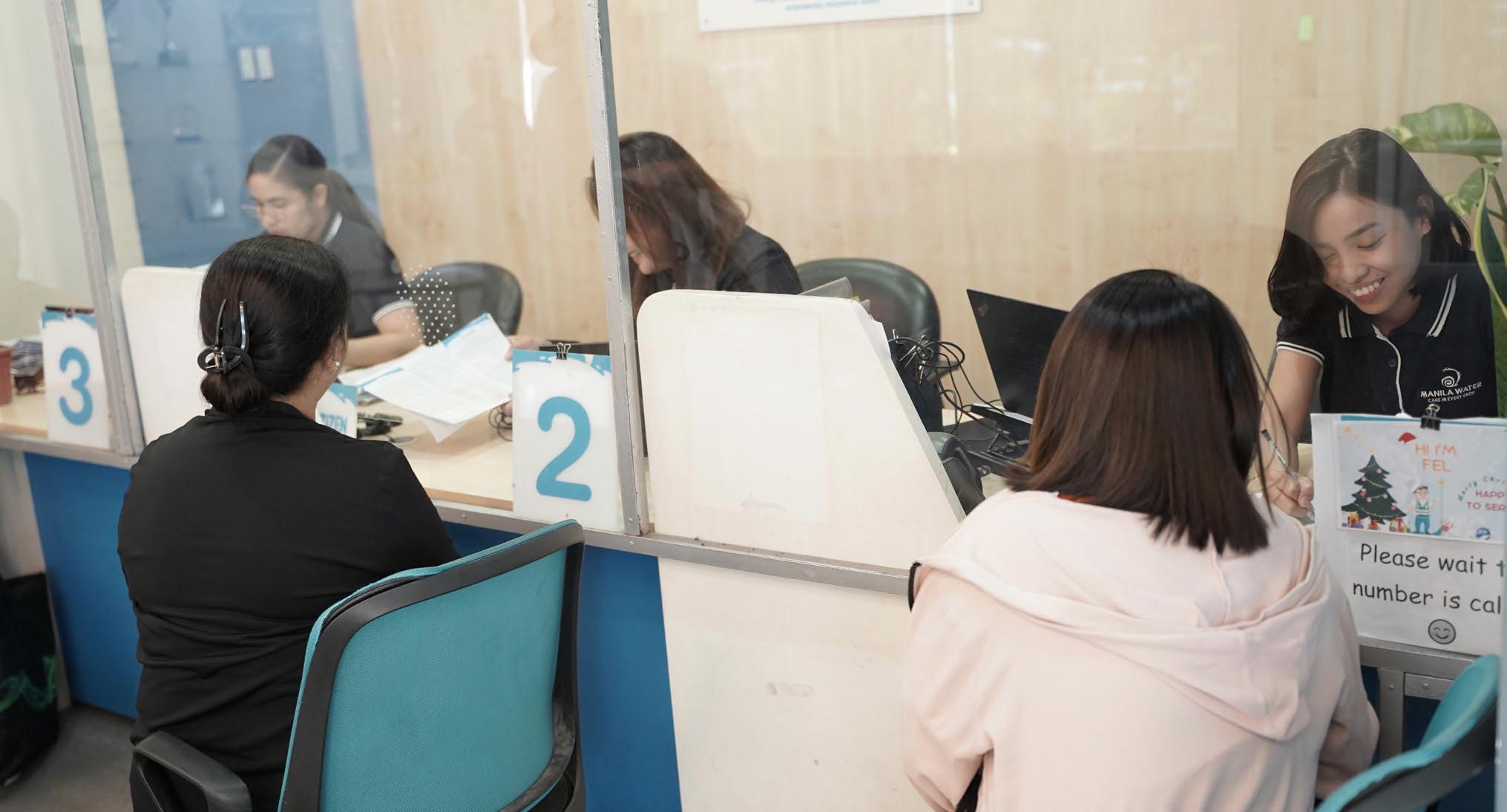
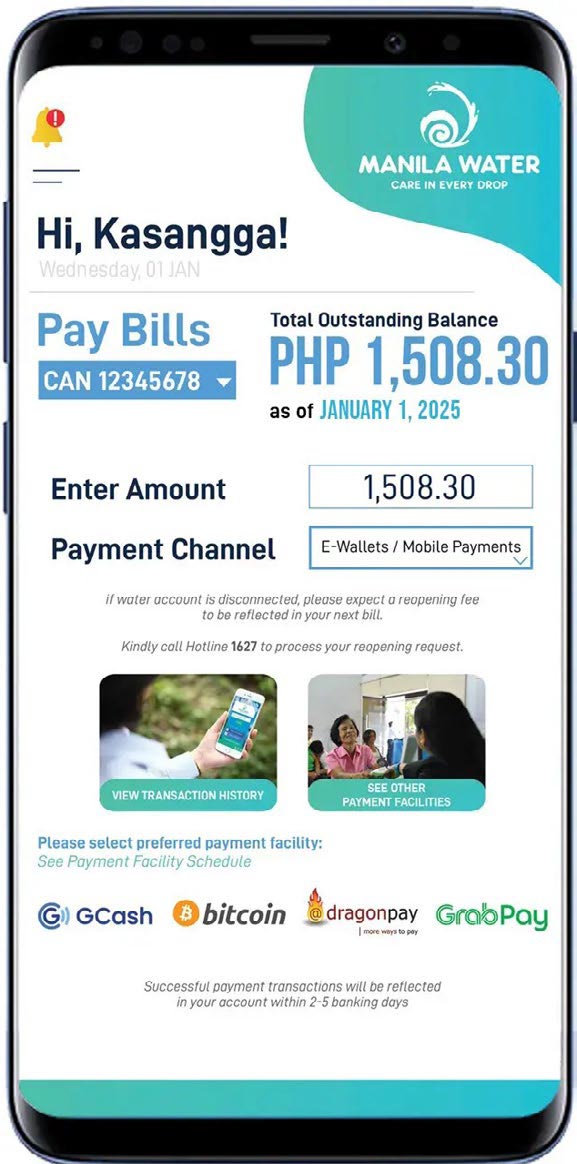
Manila Water is committed to continuously improving service for its growing customer base by offering a range of convenient options for managing water accounts. The Manila Water App allows East Zone customers to check current bills, view payment history, and settle accounts online or through mobile wallets. Real-time service advisories and interruption notices are delivered via push notifications, and service-related concerns or inquiries can be submitted through the M.W. C.A.R.E.S. platform. We also maintain active communication with our customers through regular updates on social media, providing information about ongoing projects, water interruptions, and program activities.
Efficient and reliable customer service is a key performance indicator for Manila Water managers. Customer requests and complaints are promptly referred to Territory Managers for immediate action. To foster stronger community engagement, we hold quarterly gatherings with local neighborhood leaders, known as kasanggas. These meetings provide company updates and gather valuable feedback. The kasanggas act as an extension of Manila Water, disseminating information to their communities, clarifying issues, and acting as intermediaries for customers with specific concerns.
In 2024, Manila Water received 167,603 customer concerns related to billing and service, and we resolved 99% of these within established turnaround times based on service level agreements.
2 SLA = Service level agreement
Environmental Stewardship
GRI:2016 413-1
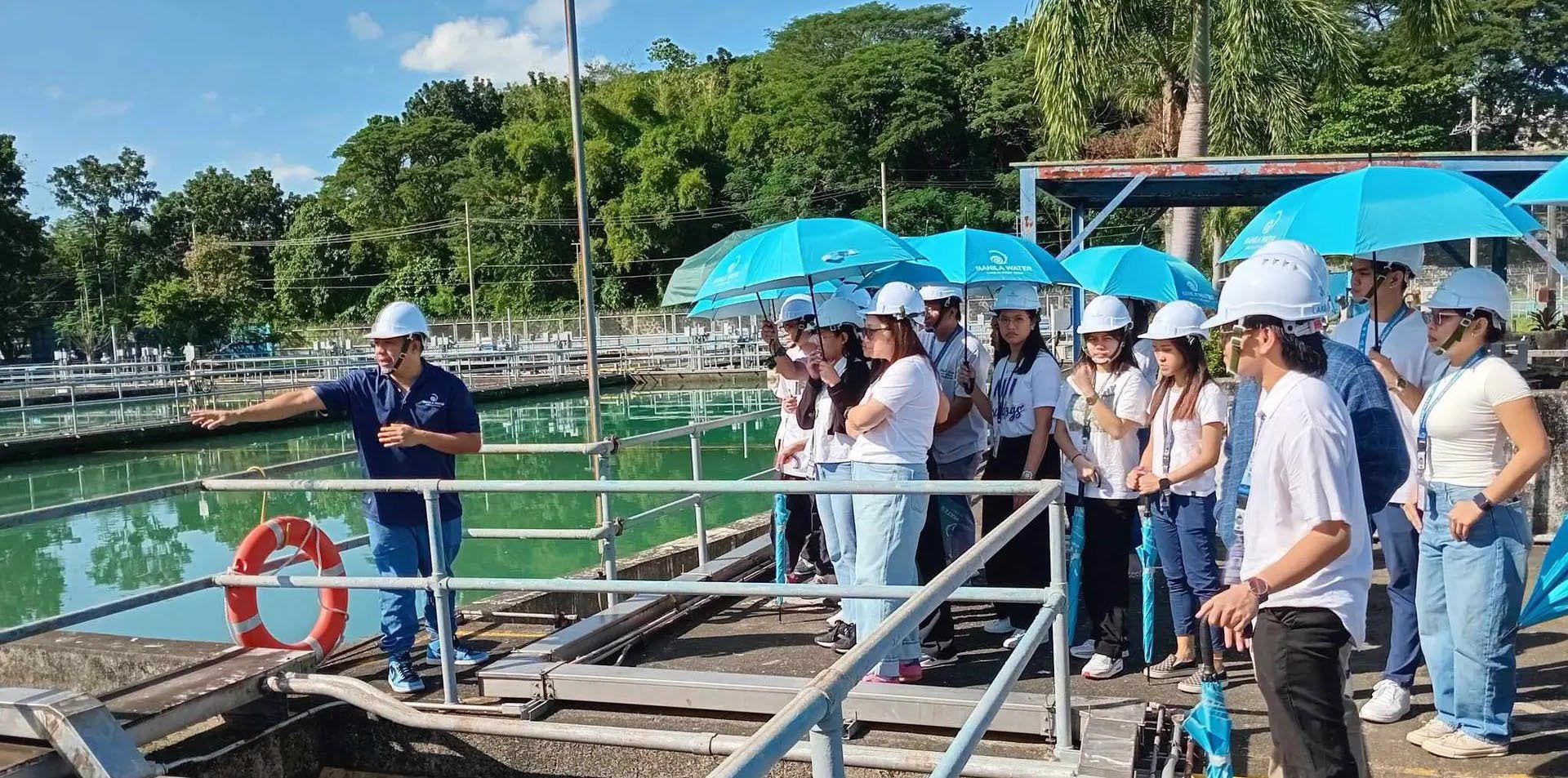
Lakbayan
Effective education and engagement are crucial for achieving our sustainability goals. Our programs aim to raise awareness and foster stakeholder involvement in the rehabilitation, protection, and conservation of natural resources. We go beyond simply sharing information about water sources and wastewater treatment, we empower our stakeholders to take an active role in environmental stewardship.
Our flagship Lakbayan (Water Trail) program offers an immersive experience in our operations through guided tours of our facilities, from raw water source to treatment and distribution. Participants gain a deeper understanding of the processes involved in delivering safe, potable water to homes and businesses across the East Zone of Metro Manila. Beyond showcasing the reliability of our 24/7 water supply amidst climate change challenges, Lakbayan highlights our wastewater management and treatment systems, emphasizing our commitment to environmental compliance and sustainability.
Since its inception in 2006, Lakbayan has engaged over 100,000 participants, including representatives from academic institutions, local government units, national government agencies, private organizations, and international agencies eager to learn about our best practices, including our globally recognized non-revenue water (NRW) management.
Salin
Building on Lakbayan’s success, SALIN: Lakbayan Para sa mga Guro program empowers public school teachers through specialized tours. Since its 2023 launch, SALIN has conducted 18 sessions, reaching over 200 participants. In 2024 alone, it welcomed educators from 59 schools across Metro Manila’s East Zone.
In collaboration with the Department of Education – National Capital Region (DepEd NCR), SALIN offers a full-day immersive tour of key Manila Water facilities. The journey starts at La Mesa Ecopark, Metro Manila’s environmental hub, where participants learn about our sustainability initiatives. They then visit La Mesa Dam, gaining insights into its role in water treatment. The tour culminates at our water and wastewater treatment plants, where experts explain the processes that ensure safe drinking water and proper wastewater treatment.